The Dynamic Appeal of Folding Doors
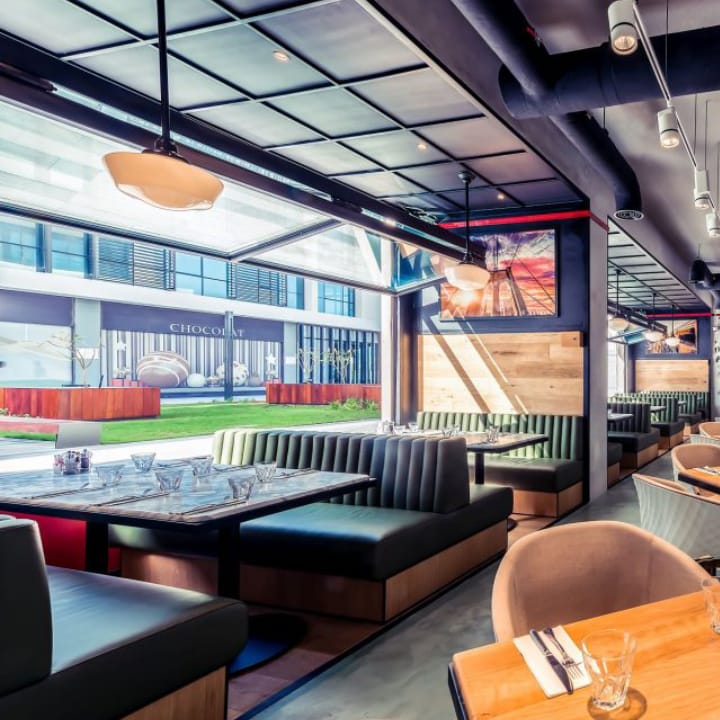
The evolution of modern architecture and interior design has placed a high value on flexibility, natural light, and a seamless connection between indoor and outdoor living areas. Few design elements encapsulate this philosophy as effectively as the folding door. Once a less common choice, these innovative door systems—often referred to as bi-fold doors—have surged in popularity, becoming a signature feature in contemporary homes and commercial spaces alike. Their unique mechanism, which allows multiple panels to fold up and stack neatly to one or both sides, offers a transformational opening that standard doors simply cannot match.
Unlocking the Potential: The Core Benefits
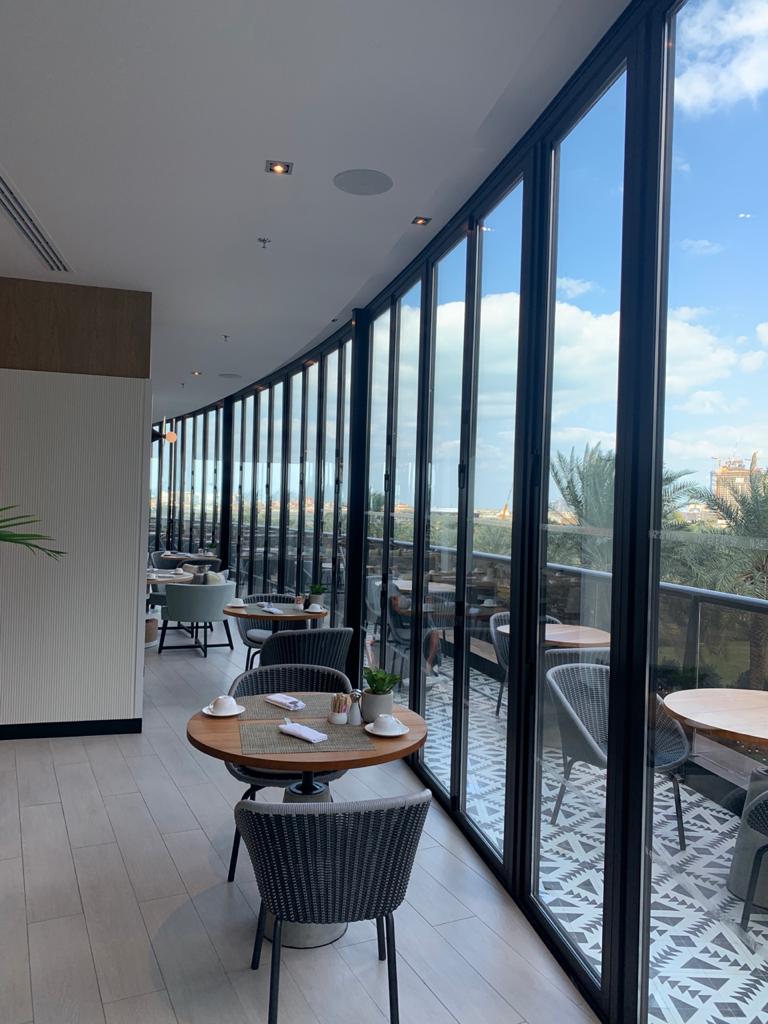
The primary appeal of the folding door lies in its ability to create a truly expansive, uninterrupted opening. When fully retracted, they dissolve an entire wall, merging a kitchen, living room, or office with an adjacent patio, garden, or balcony. This complete opening provides a panoramic view and an unparalleled flow of traffic and air, fundamentally changing how a space feels and is used. In contrast to traditional patio doors, which typically only allow half the opening to be clear, a bi-fold system achieves nearly 100% clear access, making it the superior choice for those who truly wish to “bring the outside in”.
Beyond the dramatic visual and spatial effect, folding doors are praised for their significant contribution to natural light. Constructed with large panes of glass and often featuring slimmer frame sightlines than older door types, they ensure that even when closed, rooms are flooded with sunlight. This not only creates a brighter, more positive, and more inviting atmosphere but can also contribute to lower energy costs by reducing the need for artificial lighting during the day. Furthermore, the ability to open the door fully provides superior ventilation, ensuring fresh air circulation and helping to prevent the build-up of moisture and stale air.
The design of a modern folding door system is also inherently space-saving. Unlike traditional hinged or French doors that require a large, clear swing area, the folding action compacts the panels against one another, minimizing their footprint. This feature makes them an excellent solution for smaller homes or rooms where maximizing every square foot is crucial. This compact stacking can be configured to fold and stack either internally or externally, providing flexibility based on the home’s layout and available space.
Material Matters: Choosing the Right Folding Door
The performance, aesthetic, and durability of a folding door system are heavily influenced by the material chosen for its frame. The market offers a range of options, each with distinct advantages:
- Aluminium: This is arguably the most popular material for exterior bi-fold systems. Aluminium frames are inherently strong yet lightweight, allowing for a slimmer profile that maximizes the glass area and view. Modern Aluminium doors incorporate thermal breaks—an insulating barrier within the frame—to achieve excellent energy efficiency. They are also highly durable, resistant to rust and corrosion, and require minimal maintenance, making them a long-lasting investment.
- uPVC (Unplasticized Polyvinyl Chloride): A more budget-friendly option, uPVC doors offer very good thermal efficiency due to the material's natural insulative properties. They are low-maintenance and come in various colors and finishes, though the frames tend to be thicker than their Aluminium counterparts, which can slightly reduce the overall glass area.
- Timber/Wood: For a classic, warm, and elegant look, timber folding doors are the ideal choice. They provide exceptional natural insulation and can be stained or painted to match any architectural style. However, they require more maintenance than Aluminium or uPVC, typically needing periodic re-sealing or re-painting to protect them from weathering and warping, especially when used externally.
- Composite: Combining the best of both worlds, composite folding doors feature an Aluminium exterior for weather resistance and a timber interior for a traditional aesthetic. This hybrid design often provides superior thermal performance and durability, though it typically comes with a higher price tag.
Design and Application Versatility
While most people associate folding doors with large external openings leading to a garden or patio, their versatility extends far beyond that. Internally, they are increasingly used as flexible room dividers. Imagine a large open-plan space where a sleek, glass bi-fold system can be drawn to separate a formal dining area from a living room when hosting, or to section off a home office for privacy and quiet. When not needed, the doors simply fold away, restoring the open-plan flow.
Design considerations can further enhance the impact of a folding door. Options like a ‘traffic door’ or ‘access leaf’ allow one panel to operate independently, swinging open like a standard door for quick, everyday passage without having to fold back the entire system. Glazing options are also crucial; double or triple glazing significantly enhances thermal efficiency and sound insulation. Furthermore, modern bi-fold systems incorporate sophisticated multi-point locking mechanisms spread across the track, ensuring that despite their large glass areas, they offer a high degree of security.
Folding Doors vs. Sliding Doors: A Key Comparison
When renovating or building, the choice often comes down to a folding door or a sliding (patio) door. Both offer large glass areas and connect spaces, but their mechanisms result in very different functionality.
- Opening: The key differentiator is the opening size. Sliding doors are limited because one panel must always slide and rest behind another, leaving at least 50% of the opening obstructed. The folding door, however, folds and stacks completely to the side, creating an unhindered, full-width opening—a significant advantage for those prioritizing a truly seamless indoor-outdoor transition.
- View: When closed, modern sliding doors often have fewer vertical frames (or slimmer sightlines) due to their large individual panes, which can offer a slightly clearer, more panoramic view than a bi-fold.
- Space: Sliding doors save space because the panels do not project outward when open. The stacked panels of a folding door system, conversely, require a small area of dedicated space on the inside or outside for the stack.
The ultimate decision rests on priorities: if an unencumbered, wide-open access to the outdoors is the primary goal, the dynamic functionality of the folding door system is unmatched. If maximum, uninterrupted viewing area when the door is closed and the desire for zero external stacking space are the main concerns, a sliding door might be preferred.
In conclusion, the sophisticated engineering and aesthetic flexibility of the modern folding door have cemented its status as a highly desirable architectural feature.
By offering a transformative connection to the outside, maximizing natural light, and providing a flexible, space-saving solution, it delivers both practical functionality and a significant "wow" factor that adds tangible value and contemporary flair to any property. The continuous innovation in materials and design ensures that the folding door will remain a dominant trend in residential and commercial architecture for years to come.
.jpg)
.jpg)